PLASTIC FREE JULY: DAY 26

Have you ever stopped to think about what your clothes are made out of and the impact they could have on the environment and yourself?

I know I hadn't up until recently and to be honest, doing some research on it has left me feeling just a little depressed. So many fabrics these days are harmful for the environment, either by way of cultivation (using up large supplies of water, pesticides, forests); by manufacturing (a lot of fabrics are created using all sorts of chemicals and acids); by our daily usage (many synthetic microfibres that are released during a load of washing land up in the ocean and ingested by sealife).

To find out more about which fabrics to avoid and why, click here.

Because clothing materials go through such huge processes before they land up on the shelves, they can even be quite toxic to the human body in some cases. Here is an article that is worth reading regarding the lack of regulations in Australia of chemically harmful clothing.

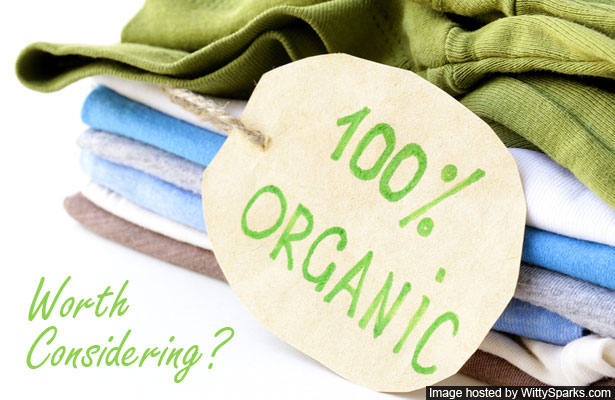
It doesn't even seem like there are many 100% safe options to choose out there but it does seem that the best options are organic and listed below:
personal trainer physio qualified
  • Cotton
  • Silk
  • Linen
  • Hemp
  • Wool
  • Cashmere

Make a change...
Re-think your thinking...
PLASTIC FREE JULY: DAY 25

Day Twenty Five:

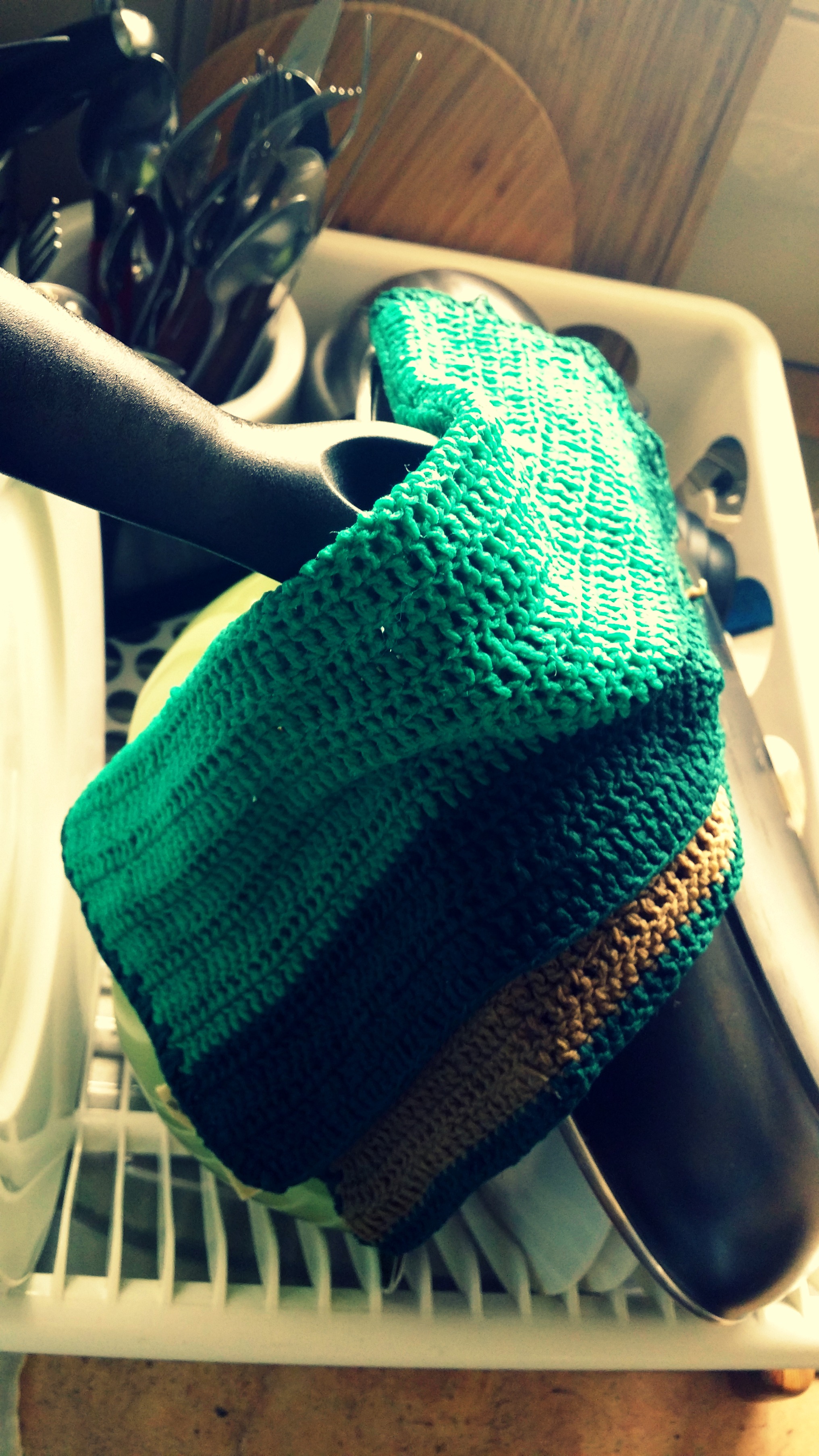
What do you use to wash your dishes? If it is a sponge; a "disposable" cloth; a long handle sponge or anything similar, it probably contains some amount of plastic and is not a sustainable product.

personal training adelaide physio qualified trainer

The best option is a 100% cotton cloth, once these have come to the end of their life (which will be many years if looked after well) they can be cut up into small pieces and put into your compost bin, leaving no negative trace behind once broken down. All these other "convenient", "disposable" options are not at all convenient and definitely not disposable as they will hang around for hundreds of years before ever breaking down.

Next time you run out of dishcloths or sponges please think about purchasing cotton ones as replacements. These can be found on many eco-stores online or most likely at your local markets, even some supermarkets may stock them.

Make a change...
Re-think your thinking...

PLASTIC FREE JULY: DAY 24

Day Twenty Four:

Are you often thirsty on the run and need to grab a bottle of water? All those many plastic bottles either land up in landfill or, more than not, the ocean. Plastic bottles and lids are one of the most frequent rubbish ocean dwellers we have these days.

personal training adelaide cbd physio trainer

Make sure you purchase a steel or glass water bottle so you can keep it with you wherever you go and stay hydrated on the move, not at the expense of our environment. Sure, there are going to be times when we will be caught out and need to purchase a water bottle, but make that the rare occasion and not the norm and you're winning!

Make a change...
Re-think your thinking..

PLASTIC FREE JULY: DAY 23

Day Twenty Three:

Do you have a centre in your town that educates and supports sustainable living and environmental awareness? If you live in Adelaide then your answer should be "yes"!

I only recently learned about the Adelaide Sustainability Centre which is situated at The Joinery, 111 Franklin Street, (just off the West side of the bus station). You can read more about them here. This centre teaches and supports sustainable living. They run regular workshops and events to educate and share their knowledge so we can all make positive changes in our lives to minimise the negative impact we are having on our own environment. They run movie nights; educational workshops; hands-on workshops, from teaching you how to create your own backyard veggie patches to sharing knowledge on how to recycle right and how to minimise packaging waste when doing your grocery shopping. Most of the events are either free or only charged at a small fee to cover the costs of running it (often between $5-$20).

This week they ran a workshop to teach us how to make our very own beeswax wraps (see what these are by visiting "Day 10" in our blogs); cotton veggie bags (see what these are by visiting "Day 6" in our blogs) and a jute scrubber. All of which we could take home with us. Needless to say it was a fun workshop and now we have a couple extra beeswax wraps and cotton bags to add to our collection. The jute scrubber can either be used as a face exfoliator; body scrubber; veggie scrubber or dish cloth. It even got my partner, Andre, on the knitting needles making his very own jute scrubber, which I was extremely impressed by, he persevered to the end and got it done. It looked awesome!

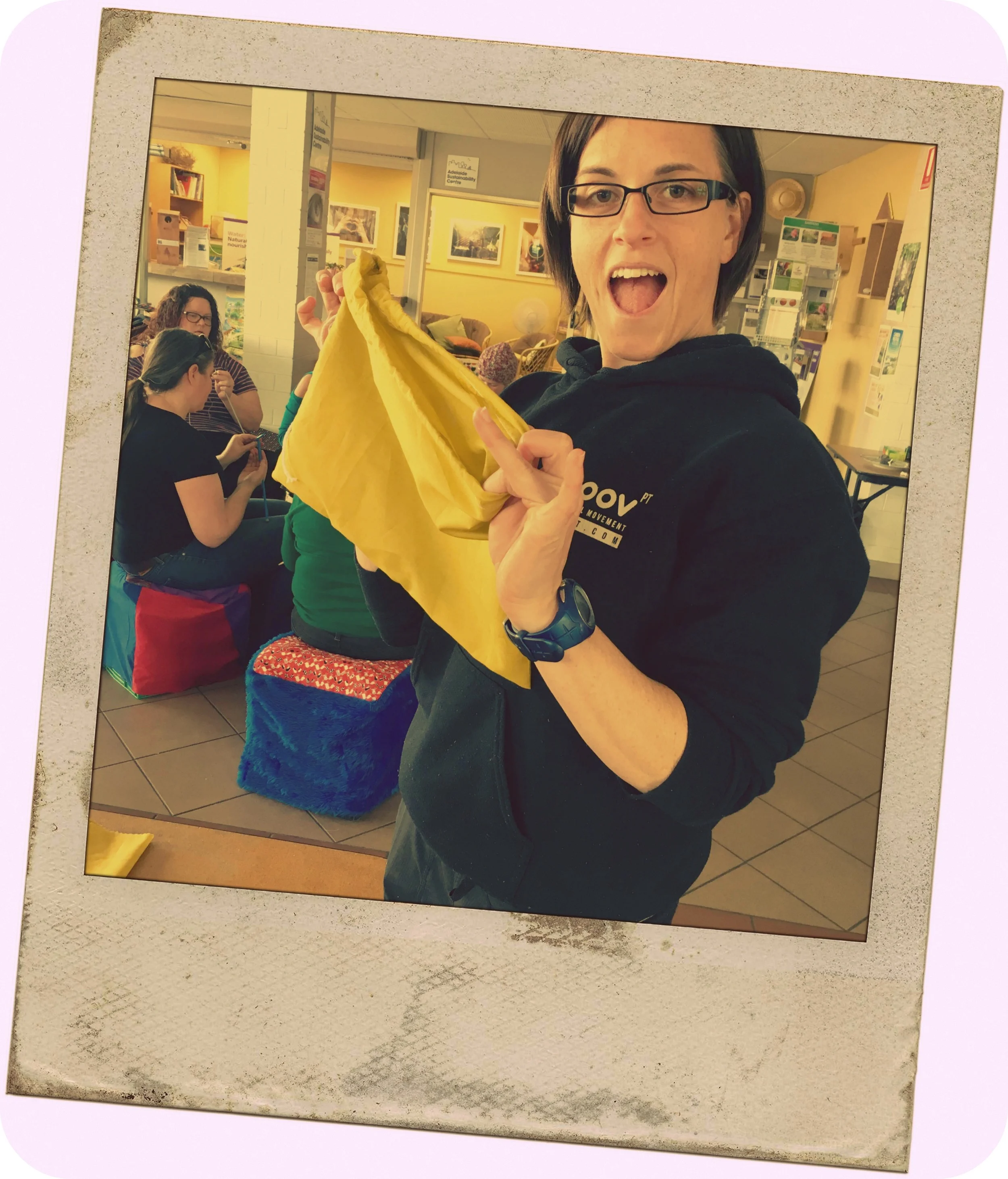
Concentrating hard on the sewing machine making my veggie cotton bag.

Concentrating hard on the sewing machine making my veggie cotton bag.

Finished Product! Veggie cotton bag good to go!

Finished Product! Veggie cotton bag good to go!

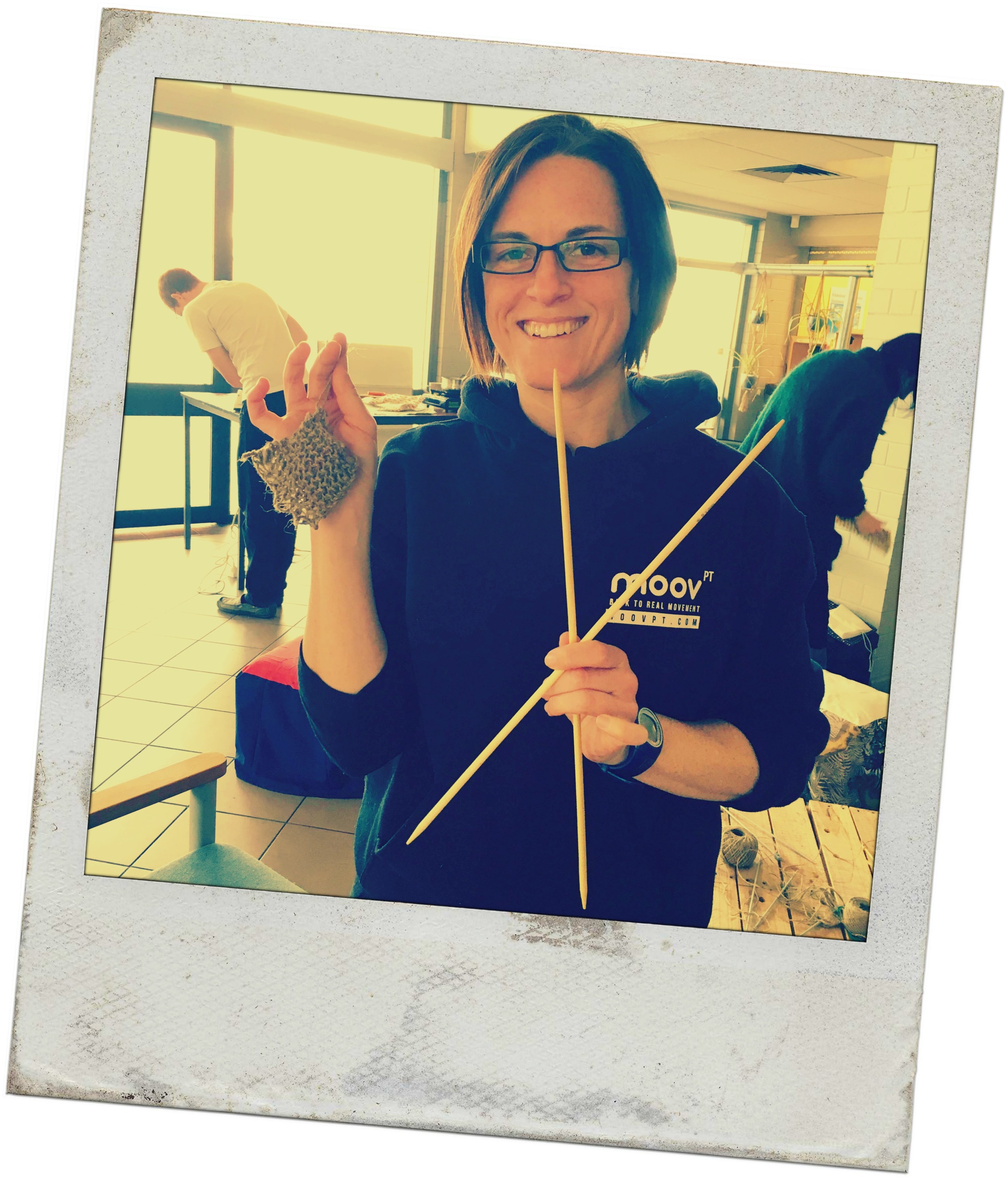
My little knitted jute scrubber, haven't knitted since I was about 13. It all comes flooding back.

My little knitted jute scrubber, haven't knitted since I was about 13. It all comes flooding back.

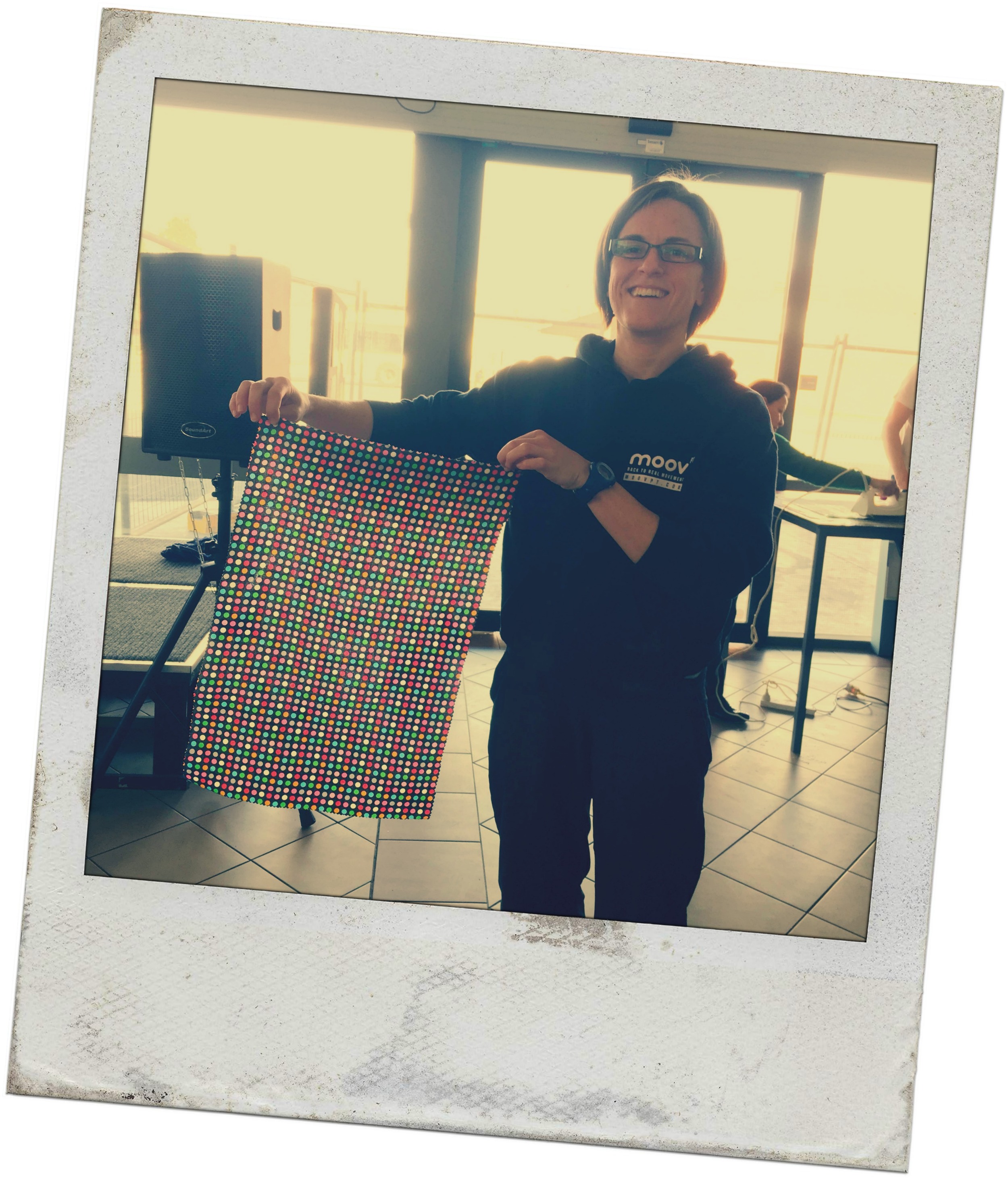
My very own, handmade beeswax wrap...see you later cling film!

My very own, handmade beeswax wrap...see you later cling film!

Why not look up if you have a sustainability centre or something similar in your area where you can learn about all these wonderful things and be more informed on how we can make a change to minimise the impact we have on this planet.

Make a change...
Re-think your thinking..

PLASTIC FREE JULY: DAY 22

Day Twenty Two:

Do you own a razor? Is it a "disposable" one? If so, have you thought about the impact that all those plastic razors can have on the environment?

fitness training adelaide physio qualified trainer

Why not invest in a stainless steel razor, that way you only have to change the blades. Click here for a great brand to invest in. Alternatively you could use a plastic style razor that has the detachable blades so you can keep the main part for years and only have to replace the razor head occasionally. As long as you avoid the one piece plastic razors which get thrown into landfill after each use...these are bad!

Re-think your thinking...

PLASTIC FREE JULY: DAY 21

‪Day Twenty One:

Did you know that the average person goes through around 50 toilet rolls per year?
Have you thought about the impact that all that plastic packaging can have on the environment?

personal trainer physio trained adelaide

The best way to avoid all this plastic waste is to purchase toilet rolls that are packaged in recycled brown paper such as the brand, "Safe", which can be found in most supermarkets. This concept is relevant to all products that are packaged. 

Remember...paper is better than plastic!

Re-think your thinking...

PLASTIC FREE JULY: DAY 20

Day Twenty:

Are you a meat eater?
Have you thought about the impact that all the meat packaging can have on the environment?

I was chatting to my local Butcher today about whether many people try and avoid plastic when buying their meat. He was telling me that there is one lady who re-uses her brown paper bags that they always put the wrapped meat into until it is almost disintegrated. And there is another lady who brings in her own tupperware for them to put the meat straight into. Therefore, totally eliminating the need for plastic at all. Imagine we all did that? How much of a positive impact would that have on the world of plastics.

physio qualified personal trainer adelaide

I have tried to start using tupperware myself for meat purchased at the Butcher. Give this a go! Next time you're at your Butcher just ask them if they would accept putting your meat into a tupperware for you instead of a plastic bag. They just weight the container first to make sure they deduct the weight of the container and pop your meat in there for you...EASY!  You should find that most Butcher's will be only too willing to accept this method as it is saving them costs in packaging. I know ours is super supportive of this which makes life easier and a whole lot more plastic free :-). 

Re-think your thinking...

PLASTIC FREE JULY: DAY 19

Day Nineteen:

Do you love sushi?
Have you thought about the impact that the tiny little soy sauce packaging can cost on the environment?

personal trainer adelaide physiotherapy qualified trainer

These little suckers land up in the ocean a lot of the time and small fish can mistake it for food. If you don't really need the soy sauce then make sure it isn't put into your bag by staff, alternatively if you find yourself using these little containers then they are recyclable along with your plastic lids (check out our post from Day 12 for more details).

Re-think your thinking...‬

PLASTIC FREE JULY: DAY 18

Day Eighteen:

Do you find yourself constantly buying lunch at work? Have you thought about the impact all that packaging can cost on the environment?

personal training adelaide experienced trainer

I know we can't always be quite as prepared as we'd like to but we can certainly make a lot of effort to prepare as much as we can to avoid creating more waste as well as creating more of a hole in our pockets. It doesn't take long to cook up some food on a Sunday to store in glass jars in the fridge, ready for the week ahead. Depending what you cook for dinner you can sometimes just do double the amount and have leftovers for a few days. Time better spent than in front of the telly ;-).

I find glass jars so much better for keeping things fresh than plastic or cling film (both of which we want to try and reduce usage of). 

The accumulative cost of purchasing lunch every day as opposed to making it at home and bringing it in is quite substantial, both on your wallet and on the environment. Not to mention saving yourself from low quality, preservative-filled food options. Most lunches are also packaged in plastic or polystyrene and these are the two materials we need to make more effort to reduce.

Re-think your thinking...

PLASTIC FREE JULY: DAY 17

Day Seventeen:

Are you quite the chef in the kitchen? Do you have a healthy looking spice rack?

personal trainer adelaide physio qualified trainer

Have you thought about how you could reduce the amount of plastic related to your spices?  A great way to do this is to have a spice rack with glass bottles and to purchase your spices from a bulk shop so you can refill the glass bottles. This will avoid the need to purchase many plastic refill bottles or plastic refill sachets as you would at the supermarket.

Having a large range of spices stored in glass bottles can also be useful to create your own mixes of spices such as curry powders etc.

Re-think your thinking...