BLOG

Back Pain, How To Avoid Injury mary@moovpt.com Back Pain, How To Avoid Injury mary@moovpt.com

deadlift - the do's and don'ts

The deadlift is the one movement that most people struggle with and where a lot of injuries occur, now you can't blame this on the deadlift as it is a fantastic exercise that if done correctly, can actually protect your lower back and strengthen your stability muscles. Herein lies the problem, most people do not deadlift correctly and this is mostly due to them not being taught the correct steps involved in a deadlift. It is not just about bending over and picking up a weight with a straight back. Cueing is everything and teaching a person HOW to move well is imperative, their technique won't change just by telling them to keep a neutral spine or giving them a lighter weight. You have to find a way to communicate what you want them to do so their BRAIN GETS IT! And then making sure they do it correctly often enough in order for the movement pattern to stick. Without changing their motor control system you aren't changing anything.

Before I hand a weight to deadlift to any of my clients I can commonly spend several sessions coaching them through the breakdowns of an efficient deadlift, some require less time, others more.

There are several ways to safely coach an individual through each separate step of the deadlift movement prior to even going near a weight, all of which can be practiced at home, with no special equipment needed. Once they are ready to add weight to the lift I always start with a medium weight kettlebell as it is a much easier piece of equipment to learn with than the barbell.

The most common problems I see with the deadlift, in order of popularity are:

  1. people hinging off their necks

  2. not engaging their lats (resulting in either pulling weight through their shoulder blades or lower back)

  3. not using their breath (therefore putting their lower backs at risk)

  4. not sitting into their hips enough (can be due to dysfunctional gluts or immobile hips)

  5. pulling the weight off the floor as opposed to pushing the ground away from them.


A great deadlift should be:

  1. neutral neck throughout

  2. lats engaged throughout

  3. tibias (shins) vertical throughout

  4. barbell touching shins or kettlebell handle in line with ankles and follows that line throughout movement (weight stays as close to you as possible throughout movement)

  5. short and sharp sniff into belly to create Intra-Abdominal Pressure before lifting and lowering

  6. pushing through the heels to activate your posterior chain and initiate the deadlift

  7. a neutral standing position at the top of the lift (ankles, knees, hips, shoulders, ears in one straight line), not hyperextending through the back

  8. on the way down: not losing the lats; neutral neck; vertical shins and keeping the bar moving through the same line so it grazes shins on way down.

That is what every deadlift should look like, no exceptions, no excuses. If you are finding you're not achieving some of these steps then I'd urge you to seek help. You may have some mobility issues that need addressing first or maybe it is just a case of changing the way you move.

Learn how to Deadlift with good technique & how to do all strength movements with good technique, building strength & confidence through life. Join our Your Moov program to achieve this & more.

 
Read More

GET YOUR FREE DOWNLOADABLE HEALTHY TREATS RECIPE EBOOK HERE!

Sweet Little Things - Healthy Treat Recipes

This great little information packed ebook not only contains a wide variety of 12 different recipes, but also has a stack of information on the truth behind fats; how we need to form good food habits for our kids and the 10 essential ingredients you need to keep in your cupboard to always have a healthy treat option available to you. 


GET YOUR DOWNLOADABLE 6 WEEK LIFESTYLE GUIDE EBOOK. ALL YOU NEED TO GET YOU BACK ON TRACK!


ABOUT MARY

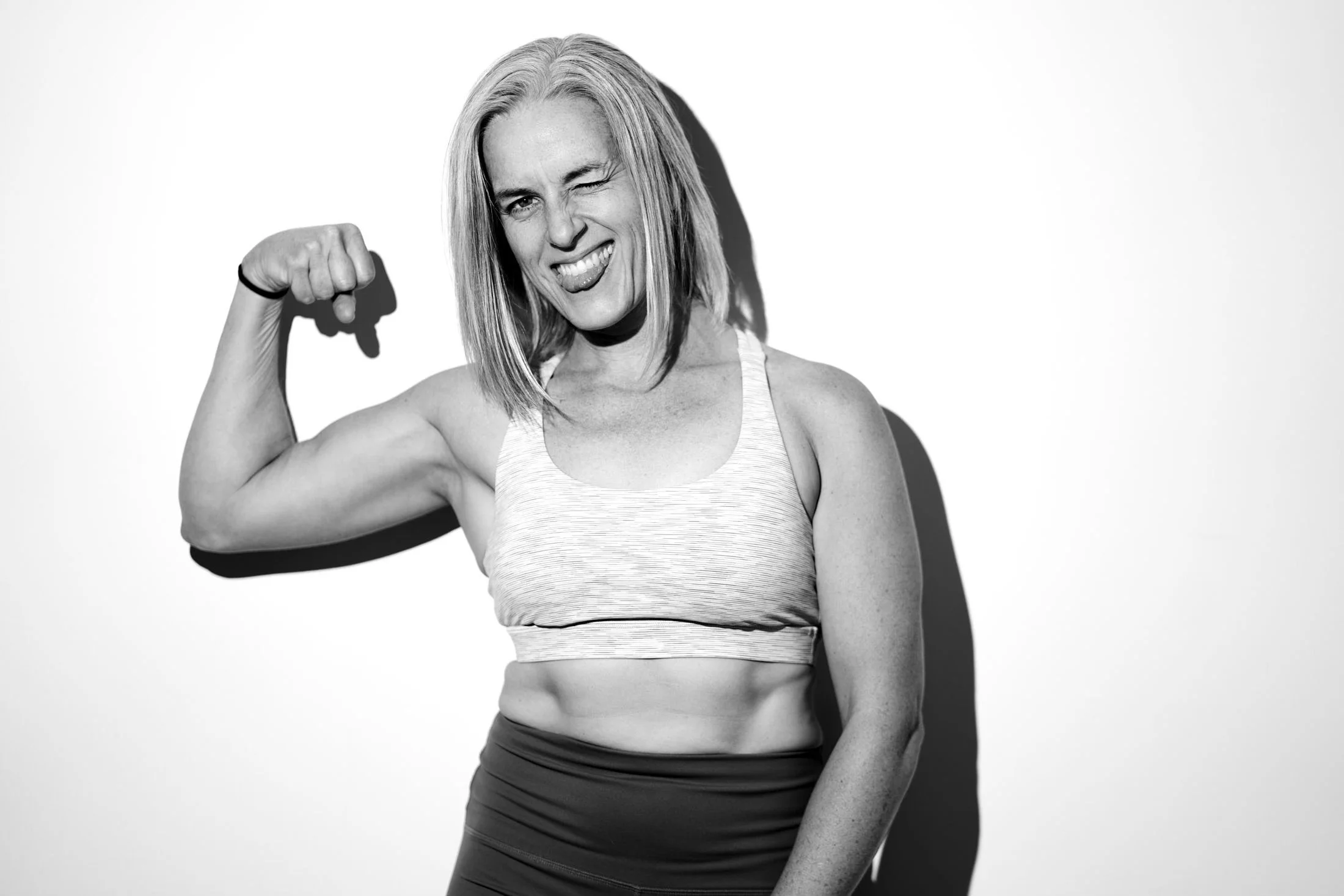
Mary is a qualified Physiotherapist & Personal Trainer who loves movement and helping others get stronger & find confidence in their bodies.

She hit Menopause at the age of 41 and struggled through the fight of Perimenopause, coming out the other side with a wealth of knowledge and a strategy for strength training that works and keeps her & her clients consistent.

She has many qualifications under her belt and focuses on helping others improve their strength; fitness and core function in a safe, guided & supported way.


Don't miss out on free, useful information available on our social networks below. I'd love to see you there!


Check out our Instagram Feed…


RECENT BLOGS


BLOG CATEGORIES