
BLOG
YOUR CHILD'S IPAD POSTURE
Examples of good and bad postures for kids on Ipads.
With Ipads and phones being the "norm" for entertainment in the very young generation these days we need to take care with how we allow our kids to sit and watch screens. Of course we also need to monitor how long we allow them to be idle for watching screens and what it is they are actually watching or playing.
As well as this though, the posture in which we allow our kids to sit in for prolonged periods of time can be detrimental to their health! Many kids will land up in a slumped forward posture (as seen above), this can put a lot of strain on the back, creating a rounded upper back and forward head posture!
Or even worse!...
These poor postures can carry through to adulthood if not addressed at an early age. It is much harder to out-train poor posture as an adult...although not impossible! ;-). Best to teach them young and engrain the brain from early on.
The best thing we can do to ensure our kids don't develop poor musculoskeletal habits is to encourage them to MOVE! This may be whilst they are using ipads or phones, there is no reason why they can't keep changing postures whilst using the devices. In fact, changing postures every 5-10 minutes will be the best thing for them!
Here are a few examples of good Ipad watching postures:
This prone (face down) posture encourages extension of the back and can promote a healthy spine.
Why not prop up the ipad or phone on a table and have your child sit on the floor with their back nice and tall so they can view the ipad with a neutral back and neck posture.
Depending on the height of the table they could be sitting/tall kneeling/standing with the ipad on the table.
LOW BACK PAIN AND MOVEMENT
Movement is the best treatment for low back pain and recovery from discectomy.
When you have chronic low back pain (or have had to have low back surgery) and seek help from a healthcare professional you should expect a thorough assessment and a tailored exercise program (at the very least) as this is the most effective way to enable you to improve your condition.
Movement is one of the best treatments for low back pain & surgery and can get you back to feeling yourself quicker than you might know. Research has shown that carrying out a safe exercise program can get you back to daily activities and work sooner than if you don't. It also results in less days off work over the following 12 months (not that this would be very appealing to most ;-p).
The exercises should be specific to you as a result of what was found in the assessment and not just a generic handout that is given to everyone. In the majority of cases low back pain is often brought on by lack of function of the abdominals and gluts. When you find the cause of the problem and fix that, as opposed to treating just the low back, this is when you acquire long term results.
You should be shown how to progress through the exercises you're given in order to keep strengthening and improving your condition. Not just sent on your way with a generic program with no further progression.
If you're only receiving hands on treatment and not given a home exercise program then you should probably find yourself another healthcare professional as this will not be enough to improve your condition long term.
This is even more important if you've undergone surgery, as often a lot of damage is done to the muscles of the back and they will need to be retrained to function well again. Your whole body will need to be put through a program to regain function and strength again so no compensations remain. Movement is the best way to recover from low back surgery.
Sweet Little Things - Healthy Treat Recipes
This great little information packed ebook not only contains a wide variety of 12 different recipes, but also has a stack of information on the truth behind fats; how we need to form good food habits for our kids and the 10 essential ingredients you need to keep in your cupboard to always have a healthy treat option available to you.
GET YOUR DOWNLOADABLE 6 WEEK LIFESTYLE GUIDE EBOOK. ALL YOU NEED TO GET YOU BACK ON TRACK!
ABOUT MARY
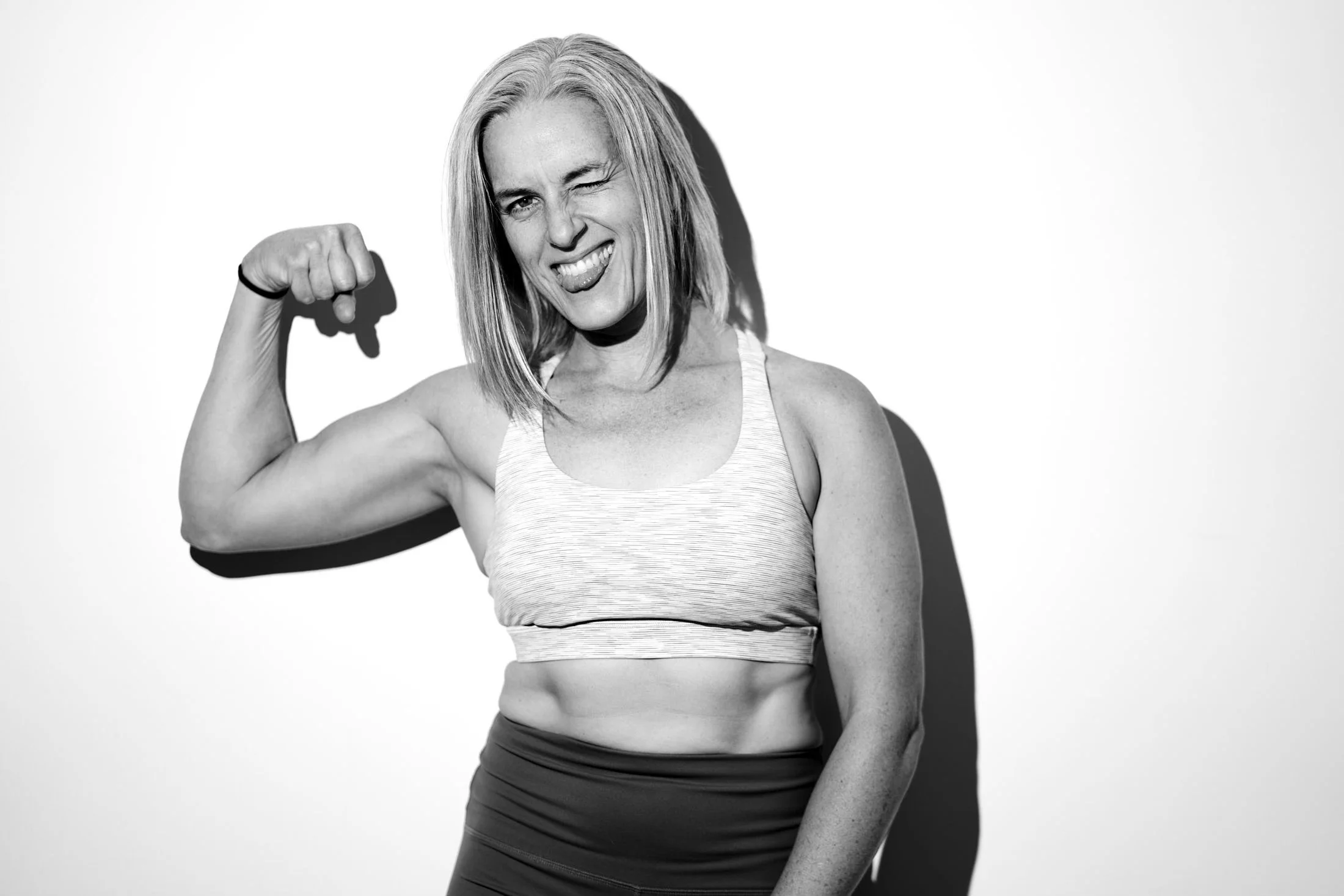
Mary is a qualified Physiotherapist & Personal Trainer who loves movement and helping others get stronger & find confidence in their bodies.
She hit Menopause at the age of 41 and struggled through the fight of Perimenopause, coming out the other side with a wealth of knowledge and a strategy for strength training that works and keeps her & her clients consistent.
She has many qualifications under her belt and focuses on helping others improve their strength; fitness and core function in a safe, guided & supported way.
Don't miss out on free, useful information available on our social networks below. I'd love to see you there!
Check out our Instagram Feed…
RECENT BLOGS
BLOG CATEGORIES
