BLOG

Back Pain, Educational, How To Avoid Injury Mary Whaling Back Pain, Educational, How To Avoid Injury Mary Whaling

FLEXED LUMBAR SPINE OR NEUTRAL PELVIS?

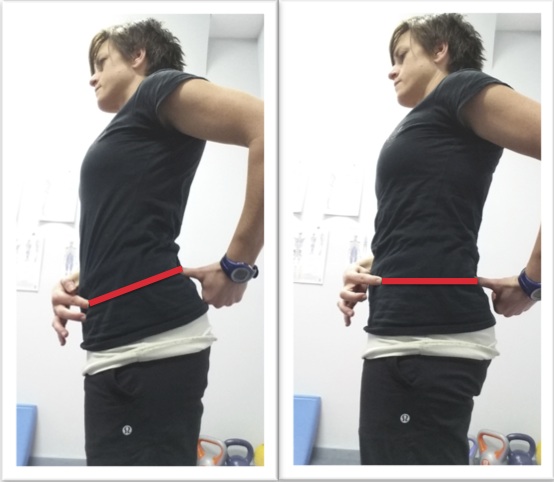
Picture 1 = Anterior Pelvic TiltPicture 2 = Neutral PelvisI have my finger on my Anterior Superior Iliac Spine (ASIS/most antierior bony prominence at the front of your pelvic bone) & my thumb on my Posterior Superior Iliac Spine (PSIS/bony prom…

Picture 1 = Anterior Pelvic Tilt

Picture 2 = Neutral Pelvis

I have my finger on my Anterior Superior Iliac Spine (ASIS/most antierior bony prominence at the front of your pelvic bone) & my thumb on my Posterior Superior Iliac Spine (PSIS/bony prominence at back of pelvis, usually where your dimple is), when these two points are level, you are in a neutral pelvic position.

I wanted to bring attention to the fact that there is a difference between causing a flexed position in the lumbar spine (lower back) and creating a neutral position at the pelvis. When your pelvis is in a neutral position, it doesn't necessarily mean that your lumbar spine is going to be in a flexed position.

I say this because I often find that people who have a history of lumbar disc bulges or herniations seem to perceive a neutral pelvic position as lumbar flexion.  They also tend to be afraid of moving their pelvis out of an anterior tilt as they use it as a protective mechanism to avoid lumbar flexion.  

The main issue I have with this is that although a flexed lumbar spine (particularly under load) causes disc compression, so does an excessive anterior pelvic tilt, not only does this alter the pressure at the discs but it also causes Sacroiliac Joint (SIJ) compression & encourages core instability.  The majority of people who have excessive anterior pelvic tilts also have dysfunctional glutes (glute activation decompresses the SIJ). One of the roles of your glutes is to create a posterior tilt of the pelvis.  If you never let your pelvis move out of anterior tilt then you are disabling your glutes (compare the above two pictures again and tell me which one can you see more glutes in) and you can probably add obliques; abdominals; TvA to that dysfunctional list too. You can tell by the creases of my top that in the first picture on the left my abs are stretched and elongated and in the picture on the right, they are contracted. Stretched abs = unprotected and compressed lower back!

Your body will find stability where it can if it is lacking and this can be in the form of SIJ compression due to dysfunction in your core musculature.   Make sure you aren't forcing yourself into anterior tilt, whether under load (lifting or pushing weight) or not but working on pelvic stability instead so you know where neutral is.

Don't feed a habit...CHANGE a habit!

Read More

GET YOUR FREE DOWNLOADABLE HEALTHY TREATS RECIPE EBOOK HERE!

Sweet Little Things - Healthy Treat Recipes

This great little information packed ebook not only contains a wide variety of 12 different recipes, but also has a stack of information on the truth behind fats; how we need to form good food habits for our kids and the 10 essential ingredients you need to keep in your cupboard to always have a healthy treat option available to you. 


GET YOUR DOWNLOADABLE 6 WEEK LIFESTYLE GUIDE EBOOK. ALL YOU NEED TO GET YOU BACK ON TRACK!


ABOUT MARY

Mary is a qualified Physiotherapist & Personal Trainer who loves movement and helping others get stronger & find confidence in their bodies.

She hit Menopause at the age of 41 and struggled through the fight of Perimenopause, coming out the other side with a wealth of knowledge and a strategy for strength training that works and keeps her & her clients consistent.

She has many qualifications under her belt and focuses on helping others improve their strength; fitness and core function in a safe, guided & supported way.


Don't miss out on free, useful information available on our social networks below. I'd love to see you there!


Check out our Instagram Feed…


RECENT BLOGS


BLOG CATEGORIES