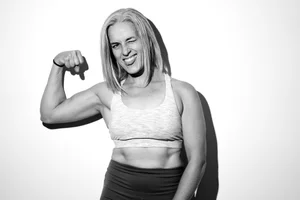
How to Maintain Muscle Mass in Menopause
I’m sure you’ve heard how important it is to maintain muscle mass as you age and how much harder it gets.
Here are some good reasons why it is so important:
Metabolism: Muscle burns more calories at rest. This means that the more muscle you have, the more energy you’re burning doing absolutely nothing. 😃
Bone Health: Strong muscles provide better support to our joints and bones and the process of building muscle increases bone strength which reduces the risk of Osteoporosis.
Hormone Health: Exercise, especially strength training, can help regulate hormones, increasing endorphins and decreasing stress hormones such as insulin and cortisol.
Maintain function/independence as you age: Being able to continue getting up off the floor, lifting objects off the ground, getting up out of a chair/toilet, carrying groceries etc is vital to maintain independence as you age.
Now that you understand the importance of it, here are ways to work on improving your muscle mass:
💪🏽 Strength Training:
Well, no surprises here 😅. I would, however, suggest that you try to maintain at least 2 strength training sessions per week. The consistency is key here, haphazardly doing strength training is not going to help you maintain your muscle mass. Not sure how to put a strength workout together? Grab my FREE 30-Minute Strength Starter Guide.
🥩 Protein Intake:
This one is essential and often overlooked. Ensure you are getting enough protein in your diet. Protein is essential for muscle repair and growth & also helps with satiety - reducing the sugar or carb cravings.
The research shows that ideal protein intake for Postmenopausal women looking to build & maintain muscle mass is 1.6g per kg of bodyweight (or per kg of target bodyweight if you’re trying to lose weight). Try to make sure you’re spreading your protein intake out through the day.
⚖️ Balanced Diet:
Maintain a balanced diet that provides essential nutrients, including vitamins and minerals. A diet rich in lean meats, legumes, fruits, vegetables, whole grains, and healthy fats supports overall health and muscle function.
🧮 Adequate Calories:
Don't get caught up in calorie restricting. While it's essential to maintain a healthy weight, severe calorie restriction can lead to muscle loss. Focus on a sustainable, balanced calorie intake. If you’re needing to lose weight then you’ll need to be in a small calorie deficit but it should be done in a sustainable way.
You can workout your own ideal Calorie intake by using this simple Calorie Calculator.
And if you’d like to track your calorie, protein and fibre intake for a couple of days to get an idea of where you’re currently sitting then I highly recommend downloading the My Fitness Pal app (it’s free and easy to use).
How to workout your ideal Calorie intake:
Follow the prompts to workout your required calorie intake. When you get to the macro calculator just adjust the Protein using this equation: Your bodyweight in kg’s (or target bodyweight if you’re trying to lose weight) x1.6 and that will be your grams of protein per day required.
Example: If you weigh 60kg then you need 96g Protein per day (60x1.6=96).
The most important thing to focus on is the amount of protein you are getting and also that your’e getting 25g of Fibre per day.
Then you can play around with Fats & Carb ratios to see what is right for you. As long as you’re hitting your overall calories, protein & fibre daily, the rest doesn’t matter as much.